
Preparing your home for sale is an opportunity to present it in its best possible light while also maximizing the return on your investment. Buyers today are informed, selective, and often compare multiple properties at once. That means every detail, from curb appeal to interior finishes, plays a role in how your home is perceived and ultimately how much it sells for. The goal is not to spend the most money, but to spend wisely in areas that create strong buyer interest and lasting value.
What Improvements Deliver the Highest ROI?
The improvements that deliver the highest return on investment are those that enhance both function and appearance without over-customizing the home.
Buyers tend to respond most strongly to updates that feel fresh, clean, and move-in ready. Kitchens and bathrooms consistently rank at the top because they are used daily and can influence a buyer’s emotional connection to the home. Even minor updates, such as new cabinet hardware, modern lighting, or updated faucets, can make a noticeable difference without requiring a full renovation.
Flooring is another major factor. Replacing worn carpet or refinishing hardwood floors can instantly elevate the home’s overall feel. Clean, cohesive flooring creates a sense of continuity that buyers appreciate as they walk through each room.
Paint is one of the most cost-effective improvements. Neutral tones help buyers picture their own furniture and style in the space, which can lead to stronger offers. Fresh paint also signals that the home has been well cared for.
Energy efficiency upgrades can also add value. Simple changes, such as installing a programmable thermostat or improving insulation, can appeal to buyers who are considering long-term costs.
Focusing on these key areas helps create a strong first impression while ensuring that your investment translates into real value when offers start coming in.
How Does Curb Appeal Influence Buyer Interest?
Curb appeal plays a powerful role in shaping a buyer’s first impression before they even step inside the home.
When buyers pull up to a property, they begin forming opinions within seconds. A well-maintained exterior creates a sense of pride in ownership and sets expectations for what they will find inside. Landscaping is one of the easiest ways to enhance curb appeal. Trimmed bushes, fresh mulch, and a clean lawn can make the home feel inviting and cared for.
The condition of the front door and entryway also matters. A freshly painted door, updated house numbers, and clean lighting fixtures can create a welcoming focal point. These small updates are affordable yet impactful.
Exterior maintenance should never be overlooked. Power washing the siding, driveway, and walkways removes dirt and buildup that can make a home look older than it is. Repairing cracked concrete or loose railings adds to the sense of safety and upkeep.
Lighting can also enhance curb appeal, especially for evening showings. Soft exterior lighting along walkways or near the entrance adds both beauty and functionality.
A strong exterior presentation instills confidence in buyers before they even walk through the front door. That confidence can carry throughout the showing and influence how they perceive the value of the entire property.
What Interior Updates Make the Biggest Impact?
Interior updates that make the biggest impact are those that improve flow, brightness, and overall livability.
Lighting is one of the most important elements inside a home. Replacing outdated fixtures with modern designs can instantly update a space. Bright, well-lit rooms feel larger and more inviting, helping buyers connect emotionally with the home.
Open and functional spaces are also highly desirable. Removing unnecessary furniture and decluttering each room allows buyers to see the full potential of the layout. This step does not require a major investment, yet it can significantly improve how the home shows.
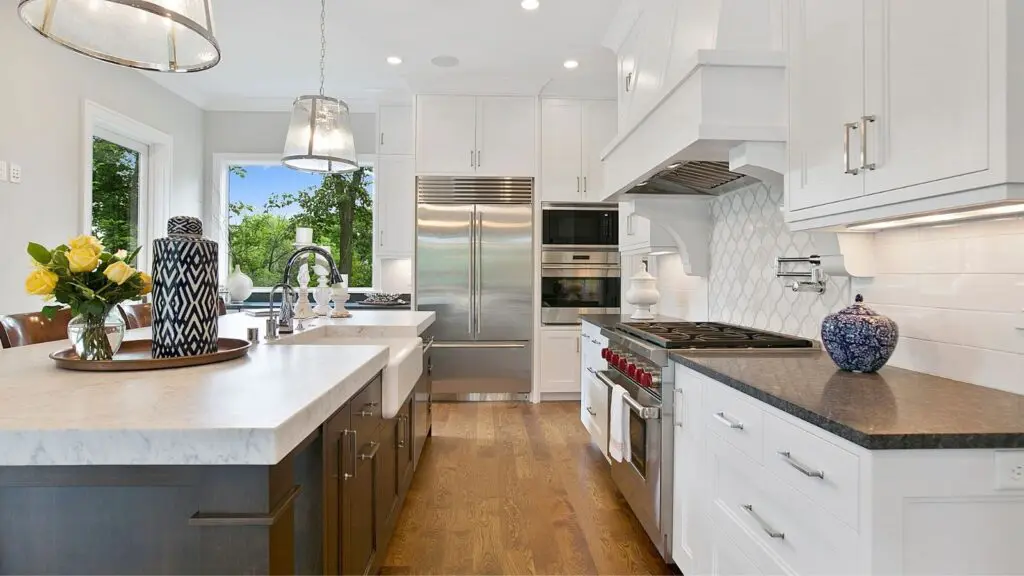
Kitchens benefit from simple updates like resurfaced cabinets, new countertops, or updated backsplashes. Even small touches, such as matching appliances or cohesive finishes, can create a polished look.
Bathrooms should feel clean and refreshed. Replacing old mirrors, updating lighting, and re-caulking tubs or showers can make a noticeable difference without the need for a full remodel.
Storage is another key factor. Organized closets and pantry spaces help buyers see how the home can meet their needs. Adding simple shelving solutions can increase perceived value.
Focusing on these interior updates ensures that the home feels comfortable, functional, and ready for its next owner.
Should You Renovate or Keep Updates Simple?
Most homeowners benefit more from simple, strategic updates rather than large-scale renovations before selling.
Major renovations can be expensive and time-consuming, and they do not always guarantee a full return on investment. Buyers often have their own preferences, and a large remodel may not align with their personal style. This can limit the investment’s impact.
Smaller updates allow you to improve the home’s appearance without overcommitting resources. Fresh paint, updated fixtures, and minor repairs can create a clean and modern look that appeals to a wide range of buyers. These improvements are easier to complete and typically offer a better balance between cost and return.
There are situations where a larger renovation makes sense, especially if a key area of the home is outdated or in poor condition. In those cases, focusing on essential improvements can help bring the home up to market expectations.
The goal is to create a home that feels well-maintained and move-in ready without over-personalizing the space. Neutral choices and thoughtful updates tend to resonate with the broadest audience.
Taking a measured approach helps you protect your investment while still positioning the home competitively in the market.
How Important Are Repairs Before Listing?
Completing necessary repairs before listing is essential to maintaining buyer confidence and protecting your home’s value.
Buyers pay close attention to a home’s condition during showings. Visible issues such as leaky faucets, cracked tiles, or damaged walls can create concerns about larger hidden problems. Addressing these repairs ahead of time helps present the home as well-cared-for.
Inspection-related repairs are especially important. Many buyers will conduct a home inspection after making an offer. If major issues are discovered at that stage, it can lead to renegotiations or even cause the deal to fall through. Addressing known issues early can prevent these challenges.
Systems within the home should also be in good working order. Heating, cooling, plumbing, and electrical systems should function properly and be serviced if needed. Buyers often look for reassurance that these systems will not require immediate attention after purchase.
Cosmetic repairs also play a role. Fixing scuffed walls, replacing broken fixtures, and ensuring doors and windows operate smoothly all contribute to a positive impression.
A well-maintained home sends a clear message to buyers that it has been cared for over time. That message can influence both the level of interest and the strength of offers received.
Can Energy Efficiency Upgrades Increase Value?
Energy efficiency upgrades can increase value by appealing to buyers who are focused on long-term savings and modern living standards.
Today’s buyers often consider monthly utility costs when making decisions. Homes that offer energy-efficient features can stand out in a competitive market. Upgrades such as energy-efficient windows, improved insulation, and modern HVAC systems can make a home more attractive.
Smart home features also play a role. Programmable thermostats, energy-efficient lighting, and smart appliances provide convenience while helping reduce energy usage. These features can create a sense of added value without requiring major structural changes.
Water efficiency is another area to consider. Low-flow fixtures and efficient irrigation systems can appeal to buyers who are mindful of both cost and sustainability.
While some energy upgrades require an upfront investment, they often enhance a home’s overall appeal. Buyers appreciate the idea of moving into a space that is already optimized for efficiency.
Highlighting these features during the selling process can clearly communicate the benefits, making it easier for buyers to see the home’s long-term value.
How Does Staging Affect Perceived Value?
Staging affects perceived value by helping buyers visualize how the home can be used and how it fits their lifestyle.
A well-staged home feels inviting and purposeful. Each room should have a clear function, whether it is a living space, home office, or dining area. This clarity helps buyers understand how they might use the space in their daily lives.
Furniture placement plays a key role in staging. Arranging furniture to highlight the flow of a room can make spaces feel larger and more functional. Removing excess items prevents rooms from feeling crowded or overwhelming.
Neutral décor helps create a broad appeal. Simple color palettes and minimal personal items allow buyers to focus on the home itself rather than the current owner’s style. This approach makes it easier for buyers to imagine their own belongings in the space.
Lighting and cleanliness are equally important. Bright, clean spaces feel more welcoming and well-maintained. Attention to detail, such as fresh linens or neatly arranged surfaces, adds to the overall presentation.
Staging does not always require hiring a professional. Thoughtful adjustments and attention to detail can create a strong impression, enhancing the home’s perceived value.
What Role Does Pricing Play in Maximizing Value?
Pricing plays a critical role in maximizing value because it directly influences buyer interest and competition.
Setting the right price from the beginning helps attract serious buyers and can lead to stronger offers. Overpricing a home may cause it to sit on the market longer, thereby reducing its perceived value over time. Buyers often question why a home hasn’t sold, which can lead to lower offers.
A well-priced home can create a sense of urgency. When buyers see a property that aligns with market expectations, they are more likely to act quickly. This can result in multiple offers, which can drive the final sale price higher.
Market conditions also influence pricing strategy. Understanding local trends, comparable sales, and buyer demand helps determine the most effective price point. Pricing should reflect both the condition of the home and its current market position.
Flexibility is important as well. Monitoring feedback from showings and adjusting the price if necessary can help maintain momentum.
A thoughtful pricing strategy ensures that your home attracts the right buyers and creates opportunities to maximize its value during the selling process.
How Can Timing Influence Your Home’s Value?
Timing can influence your home’s value by affecting buyer demand and overall market activity.
Certain times of the year tend to bring more buyers into the market. Spring and early summer often see increased activity, as many buyers aim to move before the next school year. Listing during these periods can create more competition and potentially stronger offers.
Local market conditions also impact timing. Interest rates, inventory levels, and economic factors all influence buyer behavior. Understanding these conditions can help determine the best moment to list your home.
Personal timing matters as well. Preparing the home properly before listing ensures that it is presented at its best. Rushing to list without completing key updates or repairs can limit the home’s potential value.
Flexibility in timing lets you take advantage of favorable conditions. Working with a knowledgeable real estate professional can help you identify the right window based on both market trends and your personal goals.
Careful timing considerations help position your home for success, increasing the likelihood of a strong, favorable outcome.
Ready to Maximize Your Home’s Value?
Selling your home is an important step, and the right approach can make a meaningful difference in your final results. Thoughtful updates, proper preparation, and a strong strategy all work together to position your home in the best possible way. When you are ready to take the next step, reach out to us to discuss your goals and create a plan that helps you get the most value from your home sale.